

It was meant to be a small camp, but the workshop needs more space, the new machinery needs power and somebody has decided that the bedroom you gave them is unacceptable. A good building game turns each improvement into the beginning of another project, until you are looking over a place that scarcely resembles the patch of ground where you started.
The best base building games on Steam make that expansion interesting in very different ways, whether you are keeping a colony alive, laying out a factory or putting walls between your work and an approaching horde. These ten picks put construction at the centre of the evening, from settlements full of awkward personalities to machinery ambitious enough to need an entire star.

Satisfactory begins with machinery you can comfortably walk around and ends with you wondering whether the horizon really needs to be visible. From the ground, every conveyor and towering production floor becomes part of a place you have built, so solving a supply problem means heading out into your own increasingly ridiculous industrial estate and finding where the materials have stopped moving.
That physical scale is the attraction. A distant resource deposit becomes an expedition, then an outpost, then a railway bringing it into the factory you have back home. There is wildlife to contend with along the way, but the real project is turning this alien landscape into something that works, preferably without discovering that the cable holding it all together was attached to one hopelessly overworked power plant.
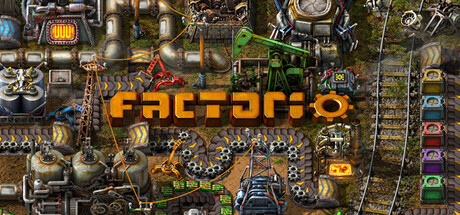
The first machine that makes something for you in Factorio is a dangerous discovery, because it immediately raises the question of what else you could stop doing by hand. Mining feeds smelting, smelting feeds assembly and the next research project needs more of everything, until the little operation you began with has become a factory whose problems you are delighted to spend an evening fixing.
From above, you can follow that entire chain and see why one missing ingredient is holding up several others. Improving it becomes a puzzle of belts, space and supply, while the creatures outside your walls object to the growing industrial footprint. Eventually, the factory that saved you from making things by hand has supplied a much more absorbing job: keeping the factory itself working.

A bedroom in RimWorld is never just a bedroom, because somebody has to sleep in it and that somebody may already be having a terrible day. Your survivors arrive with skills, limitations and opinions about one another, turning the layout of a settlement into a series of negotiations with people who do not necessarily share your priorities. A sensible workshop means very little if the person running it has finally had enough.
Keeping them fed, comfortable and alive is what makes the building interesting, especially when a raid or an injury forces you to rethink who is doing the work. The colony develops a history through those disruptions, and a room you added in a hurry can become a reminder of the crisis that required it. You end up caring about an awkward little settlement because you know exactly what its inhabitants have put you through.

Oxygen Not Included is very good at letting a working base become a problem you have not noticed yet. Your Duplicants need breathable air, food and somewhere tolerable to live, but the machinery that supplies those things also produces heat and waste. Getting a new system running is satisfying right up until you realise where you have sent its unwanted output.
As the colony spreads through the asteroid, those consequences start connecting rooms you once treated as separate projects. Plumbing, ventilation and power have to work together, so a solution that saves one area can put pressure on another. Its cheerful little workers make the place look friendly, but underneath them is a wonderfully demanding engineering puzzle that keeps asking you to understand what your own construction is doing.

Timberborn gives you a colony of beavers and then makes water the most important thing in their world, which seems fair enough until the river dries up. Dams, floodgates and irrigation determine whether the settlement keeps eating through a drought, so the landscape becomes something to engineer rather than a convenient surface for placing houses.
That ambition carries into the buildings, with lodges and workshops stacked on platforms until the colony starts looking like an elaborate wooden machine. Finding room for another structure becomes part of the design instead of a reason to flatten the next field, while storing enough water makes the arrival of a dry season a test of what you have prepared. It is an unusually charming game about taking infrastructure very seriously.

Dyson Sphere Program has a marvellous sense of escalation, beginning with a small production line on a planet and eventually asking you to build around a star. The steps between those two things are what make it absorbing, as conveyor belts and processing plants become part of a network that no longer has much respect for the boundaries of your starting world.
Leaving that world introduces new supply problems, with resources travelling between planets and star systems to support a project far too large for one patch of ground. As the construction around a star takes shape, you can see what all those smaller factories have been working towards, which is a rather grand reward for sorting out the conveyor belts. It remains in Early Access, with development continuing on the factory game already available.

Dwarf Fortress lets you dig a home into a mountain, then introduces enough lives, materials and potential disasters to make that home a world of its own. The dwarves need food and drink, but they also have thoughts and preferences, while the land you are excavating belongs to a generated history that existed before you arrived. Even a modest fortress has more going on than its rooms suggest.
As you add workshops, taverns and places of worship, the settlement acquires a culture as well as a floor plan. Learning how to support it takes patience, and a disastrous decision involving water can become rather more memorable than a successful dining room. The Steam version's graphics and tutorials make the first steps easier to understand, but this is still a deep simulation whose strange details are a large part of the reason to stay.

Dragon Quest Builders 2 makes a construction project feel like helping somebody, because the villages you restore are full of people ready to use what you have made. Growing crops and putting rooms together sit alongside an adventure about bringing creativity back to a world that has outlawed it, with the wonderfully blunt Malroth accompanying your efforts to improve the place.
That story gives your building direction without taking away the pleasure of making a space your own. New islands introduce materials and recipes that you can carry back into larger projects, while the Isle of Awakening provides a sandbox where up to four players can build together online. The story itself is a solo adventure, and you can begin here without having played the first game.

Going Medieval begins with a few survivors needing a place to live and gives you enough control over the terrain to become thoroughly unreasonable about their future home. You can dig down into the ground or build a fortress above it, furnishing the rooms and arranging workshops until a rough refuge starts looking like a settlement somebody would fight to keep.
That is when the people inside become as important as the walls around them. Their skills and needs shape the work you can get done, while preparing for raiders turns construction into a question of how to defend what you have built. It brings the personal business of a colony into a setting where a formidable castle is both an architectural ambition and a fairly practical response to the neighbours.

The Riftbreaker gives you a large mech and a perfectly sensible scientific assignment, then fills the surrounding planet with creatures unwilling to respect either of them. Building a way back to Earth requires mines, power plants and research facilities, but extending that operation also creates more places for the local wildlife to attack. Your industrial ambitions quickly need walls, turrets and a scientist carrying serious weaponry.
Because you fight in the mech yourself, a threatened perimeter is something you can rush out to defend while the base continues doing its work behind you. That combination keeps the construction tied to the action, with every new facility becoming another investment worth protecting. Difficulty and attack settings can be adjusted, and sandbox mode leaves more control in your hands if you would rather experiment with a base than spend the whole evening repairing one.
What kind of base do you want to build?
Satisfactory is an excellent starting point if you want to walk around your creation, while Factorio turns the same industrial ambition into a more concentrated production puzzle. RimWorld and Dwarf Fortress put the inhabitants at the heart of the settlement; for a project with a story to follow, Dragon Quest Builders 2 supplies both the next job and people to enjoy what you have made.
If you would rather gather materials yourself and make a home in a hostile world, our best survival games on Steam spend more time outside the walls. For something gentler, the building picks in our cozy games guide include places you can shape without having to keep a hungry colony alive inside them.