
There is a lovely moment in a detective game when an apparently useless detail becomes the thing that explains everything else. You remember a name, go back to a conversation and suddenly the story somebody told you no longer makes sense. For a little while, the notebook on your desk feels like the most important object in the room.
The best detective games on Steam find different ways to earn that moment, from mysteries that leave you to make your own deductions to courtroom dramas that turn one contradiction into a spectacular reveal. These ten PC games offer a few different kinds of case to settle into, with the important answers left for you to discover.

The Obra Dinn has returned to port without its crew, leaving you to explain what happened to the people who sailed away on it. A peculiar pocket watch lets you examine moments surrounding their deaths, but seeing the scene is only the beginning: you still have to identify the people in it and understand how their lives connect to the things you have already found.
A detail in the background or a voice you recognise can make an earlier scene look completely different, which gives wandering back through the ship a purpose beyond finding the next body. It asks for patience and a willingness to leave an identity uncertain while you investigate elsewhere, then rewards you with deductions that feel earned. Keep a walkthrough out of reach for as long as you can, because making the connection yourself is the best part of being aboard.

A room in The Rise of the Golden Idol rarely looks as though anyone has had a pleasant afternoon, but the mess is full of useful information. By examining the people, objects and conversations preserved in each scene, you gather the names and details needed to explain what happened, gradually turning a confusing incident into something you can describe with confidence.
The cases reach beyond their individual scenes, so remembering a person or an organisation can become important when another strange event comes along. Set in the 1970s, this standalone sequel takes the original game's approach into a different world, with twenty cases forming a larger mystery. It is especially satisfying when you like an investigation you can stop to think about, then return to with a theory that finally makes the pieces fit.

Shadows of Doubt lets a lead become an evening's work, sending you from a discarded receipt to a workplace, through somebody's apartment and eventually towards a person you have reason to suspect. Its cities and cases are generated, with residents following their own routines, so following a trail can feel wonderfully uncertain even when you think you have found the right direction.
The freedom also means you can end up with a board full of information and no convincing explanation for any of it. This is a detective sandbox with rough edges, and its appeal depends on enjoying the process of testing leads rather than expecting a carefully paced sequence of revelations. When that sounds like your kind of case, the ability to investigate almost anywhere makes ordinary city life into something worth scrutinising.
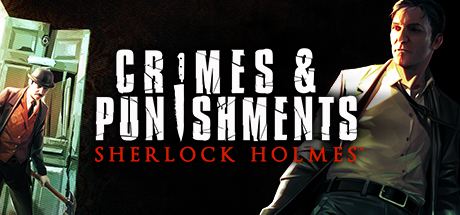
Crimes and Punishments understands the pleasure of looking at a suspect and realising their story does not quite agree with the evidence. As Sherlock Holmes, you inspect scenes, question the people involved and bring observations together into deductions, with six separate cases giving you different kinds of trouble to untangle rather than one enormous investigation to keep in your head.
Working out a plausible explanation is only part of the responsibility, because naming somebody guilty and deciding what to do about them can leave room for doubt. The game provides more guidance than the open investigation of Shadows of Doubt, making it a comfortable place to start when you want to follow a case with a clear shape. Its older presentation matters less once you are arguing with yourself about which conclusion the clues actually support.

A witness in The Great Ace Attorney Chronicles can sound entirely convincing until you remember the piece of evidence that makes their account impossible. Finding that contradiction, presenting it and watching a comfortable explanation unravel is the delight at the heart of these courtroom adventures, which follow rookie lawyer Ryunosuke Naruhodo through mysteries in Japan and England.
The investigations give the trials something to draw on, while the theatrical characters make even a lengthy conversation enjoyable when you are in the mood to read. This collection includes two connected games, so there is much more here than a single evening's case, and the pacing takes its time setting up the turns ahead. Begin with the first adventure and let the relationships develop, because the people in the courtroom are a large part of why the revelations matter.

Her Story puts you in front of a police database and trusts you to become curious, with interview footage that opens up as you search for words the woman on screen has used. An unfamiliar name or a strangely specific detail can send you looking for another clip, then that clip gives you a reason to reconsider the answer you heard a few minutes earlier.
You are assembling the account in the order your own searches uncover it, which makes paying attention more useful than waiting for the game to explain what comes next. There is very little conventional detective equipment here, but having a notebook nearby can help you keep track of the things you want to investigate. It is an absorbing choice when you would rather listen closely and build a theory than walk around a crime scene.

Paradise Killer drops a murder investigation into an island where the architecture, history and inhabitants are strange enough to make almost every detour interesting. As Lady Love Dies, you wander through that world gathering evidence and questioning suspects, with the freedom to follow a curiosity rather than move through the case in a prescribed order.
That freedom extends to the accusations you eventually make, so collecting a piece of evidence means thinking about what it proves and whether you have enough to support your argument. The setting asks you to absorb some unusual names and ideas, but the investigation benefits from giving them time to make sense. Choose this when you want a mystery that encourages wandering, with a place to explore as distinctive as the crime you are trying to explain.

In Nobody Wants to Die, immortality is something people can pay for, which makes investigating a death in its future New York a rather complicated business. Detective James Karra uses advanced equipment to reconstruct what happened at a crime scene, drawing you into an investigation where the technology that keeps people alive has also given the powerful new ways to protect themselves.
The appeal is the atmosphere and unfolding thriller as much as the deductions, with a more directed investigation than the cases you construct for yourself in Obra Dinn or Paradise Killer. That makes it a good fit for an evening when you want to follow a detective story without continually deciding which lead to chase. Let its rain soaked streets and uneasy conversations set the pace, then enjoy finding out what lies beneath the city's polished surface.
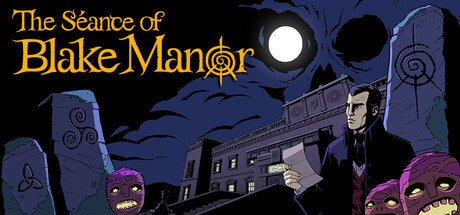
A woman has disappeared from Blake Manor just before its guests gather for a séance, and arriving to investigate means entering a hotel full of people who have their own reasons for being there. As Declan Ward, you search its rooms and question those visitors, finding enough secrets along the way to make an ordinary explanation seem less likely with every conversation.
Time matters here, with investigative actions advancing the day and the gathering approaching while you work. Your journal helps organise the clues, but choosing whom to question and when to pursue a suspicion becomes part of the case itself. The supernatural setting adds unease without taking away the pleasure of reading people, making this a strong choice when you want a mystery that feels like spending a weekend somewhere you probably should have left.

Lacuna begins with a murder that draws agent Neil Conrad into something much larger, but it keeps the weight of the investigation in the decisions you make along the way. Talking to somebody or committing to an explanation can leave you wondering whether you have done enough to understand the situation, especially as the case begins to threaten people beyond the immediate crime scene.
The story carries those choices forward, making uncertainty part of the drama rather than something you can always erase with another attempt. Its pixel art setting gives the noir atmosphere a different look from the cinematic spectacle of Nobody Wants to Die, while the conversations keep the stakes close to the people involved. It suits a reader who enjoys making an imperfect judgement and discovering what following it through will mean.
What kind of case do you want to solve?
Obra Dinn and The Rise of the Golden Idol are good places to begin when making a deduction yourself is the main attraction, while Shadows of Doubt lets you decide how an investigation should unfold. For something with more direction, Sherlock Holmes offers distinct cases to work through and The Great Ace Attorney Chronicles brings the discoveries into a lively courtroom.
Give whichever case you choose room to remain a mystery for a while, because a detail that means nothing tonight may be exactly what you need tomorrow. If you enjoy figuring things out beyond crime scenes, our best puzzle games on Steam include other ways to put that curiosity to work, from deciphering languages to understanding the rules of an unfamiliar place.