
You start a JRPG worrying about who can heal, then discover that the real difficulty is leaving a favourite character on the bench. A few towns, a disastrous plan and some very good conversations later, your carefully balanced party has become a group of people you want to see through the adventure. The world still needs saving, but now there are more personal reasons to get on with it.
The best JRPGs on Steam offer plenty of ways to get attached, from the daily routines of Persona 5 Royal to the changing roles of Metaphor: ReFantazio and the time travelling company of Chrono Trigger. These ten picks span deliberate battles, direct action and classic adventures, with enough context to help you find a starting point without having to research an entire series first.

Winning a fight in Metaphor: ReFantazio is only one part of winning over a kingdom. You are travelling between towns, building support for a royal election and deciding which problems deserve the days you have left, so an invitation to explore another dungeon has to compete with the people waiting for you back in town. The journey has a destination, but getting there means working out what kind of candidate you want to become along the way.
Those relationships also open up Archetypes, combat roles that let you rethink what each party member brings to a battle. A familiar companion can take on a different job as your plans change, keeping the preparation interesting long after you have settled on a favourite team. Between that freedom and the pressure of the calendar, Metaphor gives its grand fantasy adventure a welcome sense of purpose: there is always something worth doing, and rarely enough time to do everything.

Dragon Quest XI S understands the appeal of arriving in a new town and knowing that somebody there has a problem worth getting involved in. Its journey begins with a young hero learning who he is, then keeps opening out through peculiar local troubles, colourful companions and monsters whose designs are often far friendlier than their intentions. The familiar shape of the adventure is part of its charm, because each stop offers another good reason to unpack for a while.
Battles follow that same generous rhythm, introducing a party and a set of abilities you can grow comfortable with before asking more of them. The Definitive Edition adds character stories, an orchestral soundtrack option and a separate 2D presentation, but you do not need to know any earlier Dragon Quest to enjoy the tale. That makes this an especially inviting first JRPG, and a lovely return to the genre when you would rather go on an adventure than learn a dozen competing systems.

There is a pleasing contradiction at the heart of Persona 5 Royal: the Phantom Thieves have outrageous places to infiltrate, yet an ordinary afternoon in Tokyo can be just as difficult to leave behind. You might spend it getting closer to a friend, improving a personal skill or preparing for the next Palace, with the calendar quietly reminding you that choosing one means postponing something else. The city becomes a routine you participate in, rather than somewhere to visit between the important bits.
That routine gives the dungeon expeditions their weight, because you have spent time with these people before asking them to follow you into trouble. Persona collecting and turn based combat supply plenty to tinker with, while Royal gives the story an enormous amount of room to develop. The introductions take their time, but once those friendships have settled in, getting back to Tokyo can be just as exciting as clearing the next Palace.
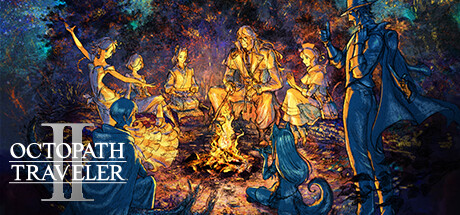
Octopath Traveler II lets a journey begin with a personal ambition rather than an immediate appointment with the end of the world. Its eight travellers have their own reasons to leave home, and following one story soon brings you into contact with the others, turning a single departure into a much wider trip across Solistia. Because you can move between their chapters, curiosity about another character can decide the next stop just as readily as the road in front of you.
Their talents carry into the towns as well as the battles, with different Path Actions available by day and night. Combat then brings the group together through the Break and Boost system, rewarding the timing of a concentrated attack rather than simply spending your strongest move whenever it appears. The pleasure is in gradually learning what these different people can do together, while the separate stories keep giving you somewhere new to take them.
Cloud may be carrying a sword large enough to settle most arguments, but Final Fantasy VII Remake Intergrade is at its best when you stop treating combat as his private business. Direct attacks and movement sit alongside commands for abilities and spells, so switching attention across the party becomes the difference between looking busy and actually controlling a fight. The spectacle is enormous, yet there is a satisfying amount of decision making inside it.
Outside those battles, Midgar gets the space to become more than a backdrop for the next explosion. Spending time with its neighbourhoods and the people resisting Shinra gives the industrial city a life of its own, especially when the adventure pauses long enough for the party to bounce off one another. Intergrade includes the Yuffie episode, but this remains the first part of a larger remake story, rather than a replacement for the entirety of the original Final Fantasy VII.

Chrono Trigger begins with a trip to a fair and very quickly establishes that the afternoon is no longer going to plan. An accident sends the adventure across time, where moving to another era can change the landscape, the people beside you and your understanding of the place you just left. That constant sense of discovery gives the journey tremendous momentum, because another destination can be a different version of the world rather than simply the next town along the road.
Your companions are part of that variety, and their combined Tech attacks give the party's changing makeup a practical purpose. Discovering how two characters work together is a small pleasure that sits neatly alongside the much larger discoveries driving the story. The Steam version includes autosaving and additional dungeons, but the real attraction is still the adventure underneath: an inventive, briskly unfolding trip that does not require an affection for old RPGs to be worth taking.

Being a stranger in Spira works in Final Fantasy X's favour. Tidus arrives without understanding the customs everyone else takes for granted, and travelling with Yuna gives you time to discover both the world and the people trying to protect it. What first looks like a grand sightseeing trip gradually becomes a journey with much more at stake, while the conversations along the way keep the party from disappearing behind the scale of its mission.
That close attention to the group is what makes the first game the place to begin in this collection. The bundled sequel returns to Spira with a different outlook, and arriving there before taking Yuna's original journey would give away much of what makes it compelling. The remaster includes conveniences such as speed and encounter options, but it is the chance to stay with this particular group that earns the package its place here.

Trails from Zero gets a surprising amount out of asking its heroes to do ordinary work. Lloyd Bannings and the Special Support Section begin with the sort of small requests a more glamorous police unit might ignore, which gives you a reason to spend time in Crossbell before its larger troubles take over. Returning to familiar streets and seeing how people fit into the city is a considerable part of the appeal, especially once those apparently minor jobs start brushing against something more serious.
That concentration on one place gives the party's progress a pleasing sense of scale: they are earning a position in a community, rather than collecting towns on the way to a final dungeon. Zero begins the Crossbell arc, although the wider Trails series has an ongoing history and returning characters, so it is not entirely detached from the earlier games. Give its conversations room and the city becomes the reason to keep coming back, with tactical battles and a useful high speed mode supporting the investigation.
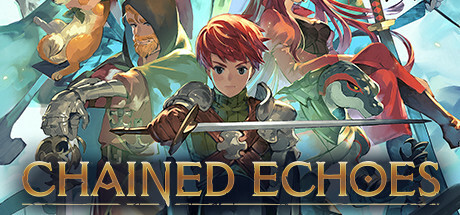
A fight in Chained Echoes belongs to the place you have been exploring, with enemies visible on the map and battles beginning where you meet them. You can see the trouble ahead, get involved and carry on through the ruin once it is dealt with, keeping the journey moving at a pleasing pace. That directness works particularly well with a party whose skills and equipment offer plenty to consider when a more serious opponent appears.
Then the adventure hands you mechanical suits, and the same fantasy world opens into something considerably larger. Exploring Valandis by foot, mech and airship gives its war between three kingdoms a sense of scale that the pixel art handles beautifully, with dragons and machinery entirely comfortable sharing the landscape. Chained Echoes borrows the look of an older adventure, but the energy comes from how readily it gets on with taking you somewhere interesting.

Tales of Arise puts you close enough to the battle that an opening is something to act on, rather than simply select from a menu. Artes, Boost Attacks and linked strikes keep the party involved as you build towards a decisive finish, giving the action a satisfying sense of people contributing to the same fight. It is an energetic alternative to the more deliberate battles elsewhere on this list, particularly when you want your reactions to matter alongside the group you have assembled.
That group travels through a world divided between Dahna and Rena, with Alphen and Shionne carrying very different experiences of the conflict. Between the dramatic confrontations, there is room to gather around a campfire, cook and watch the companions become more than a convenient arrangement of combat abilities. Those quieter stretches are a welcome part of the journey, because they give the next spectacular attack somebody worth cheering for.
Which JRPG should you start with?
Dragon Quest XI S is the most welcoming traditional adventure here, while Metaphor gives you more to consider between destinations and Persona 5 Royal asks you to make a life alongside the dungeon expeditions. For a more direct relationship with the action, Final Fantasy VII Remake Intergrade and Tales of Arise bring the party into battles you help drive in the moment. Chrono Trigger is an excellent starting point when the promise of another strange destination matters more than settling into a daily routine.
Follow the part that appeals to you rather than trying to begin with the most imposing name. If the conversation and characters matter more than building a party, our best story games on Steam include adventures with less emphasis on combat. Our broader RPG selection opens things out to different worlds, character builds and approaches to a quest.