
The quest marker is pointing one way, but there is something much more interesting on the hillside. You go to investigate, find a door you were not expecting and emerge an hour later with a new problem, a bag full of things and very little memory of what you came out to do. A good open world can turn abandoning the plan into the best part of the evening.
The best open world games on Steam earn those distractions in very different ways, whether you are getting lost in Skyrim, hacking your way across San Francisco or trying to deliver something intact in Death Stranding. We have picked ten worlds worth spending time in, with enough variety to find an adventure that appeals long before you start worrying about the size of its map.

Skyrim is remarkably good at losing track of the adventure you meant to have. You head towards a town, spot a ruin above the road and spend the rest of the evening finding out what somebody buried inside it, emerging with a heavier bag and another quest you had no intention of accepting. Bethesda fills the gaps between its bigger stories with enough discoveries that wandering becomes a perfectly sensible way to spend your time.
Your character develops around the skills you actually use, so those detours also shape the person doing the exploring. A warrior can acquire a taste for magic or become suspiciously good at sneaking, while the next town offers somewhere to put that new talent to work. The fighting is creaky beside newer action RPGs, but the freedom to follow an interest remains the attraction, and Special Edition includes the original expansions if the province itself fails to keep you busy.

Red Dead Redemption 2 earns its enormous map through the life happening across it. Arthur Morgan might be on his way to another job, but a stranger beside the road or a stretch of countryside worth taking slowly can easily become the reason you remember the ride. Rockstar pays as much attention to the ordinary business of being an outlaw as it does to the dramatic escapes, which makes travelling between missions an attraction in its own right.
Returning to camp brings those journeys back to the people Arthur is trying to look after, with conversations and concerns that continue between the moments when he needs them. You gradually get to know the gang, so leaving for another long ride begins to resemble heading out from home. That takes patience, particularly through a slow opening and deliberate controls, but giving the world time to breathe is what makes this such a convincing place to spend an evening.

Ghost of Tsushima understands that a beautiful island is wasted if you spend the whole ride staring at a map. Its Guiding Wind points Jin Sakai towards an objective through the landscape itself, drawing your attention to the grass, trees and weather as you travel. Following it through a field or forest is a small pleasure that keeps the journey interesting long before anyone draws a sword.
When the fighting arrives, reading an opponent and answering with the right attack gives those peaceful rides a sharp change of pace. Jin's campaign to reclaim the island leaves room for both direct confrontations and quieter approaches, although familiar camps and map activities can wear thin if you insist on clearing absolutely everything. Following the stories and places that catch your eye suits the island much better, with the Iki Island expansion included in Director's Cut when you are ready to venture further.
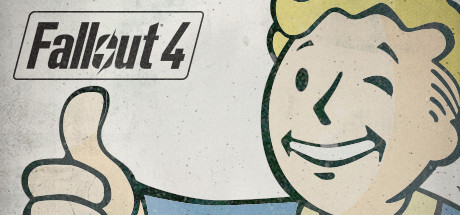
Fallout 4 can make a building full of rubbish look like a very productive afternoon. The Commonwealth is littered with things you can break down and turn into better weapons, armour and settlements, so a scavenging trip keeps feeding projects you actually want to finish. Before long, you are entering another ruined building with a shopping list, hoping it contains the materials for something back home.
That connection between exploring and building is the best reason to lose yourself in Bethesda's wasteland. The shooting keeps trips lively, with V.A.T.S. slowing the action when you want to line up a more deliberate attack, and returning with useful supplies means even a modest expedition has achieved something. The conversations offer less flexibility than Fallout: New Vegas, but building a character and a settlement gives you plenty of other ways to leave a mark on the Commonwealth.
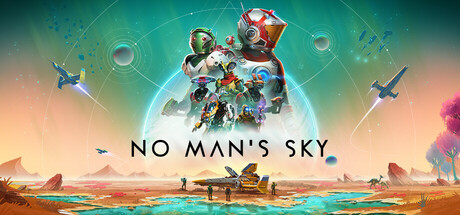
Looking up at a planet in No Man's Sky is an invitation to go there. You can leave the surface beneath your feet, fly into space and land somewhere entirely different, turning a distant speck into a place to explore before deciding where the next one might take you. The scale is absurd, but the adventure becomes much more personal once you find a corner of the universe where you actually want to stay.
Building a base gives those journeys a home to return to, while gathering resources and improving your equipment supply reasons to head out again. There are stories to follow, though the game is often at its most appealing when you have set yourself a project and another discovery interrupts it. Expect a fair amount of gathering along the way; the freedom works best when exploring and making things are already activities you enjoy, rather than tasks you are tolerating to reach the next cutscene.
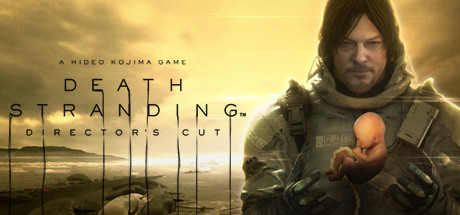
Death Stranding turns the journey between destinations into the part you need to pay attention to. Sam's cargo changes how he moves, so a steep hillside or a river can demand more thought than the next enemy encounter. You study the route, pack equipment and try to get the load across safely, with an uncomplicated arrival becoming surprisingly satisfying after everything it took to reach the door.
As you build infrastructure, the landscape becomes easier to negotiate and earlier journeys reveal how far you have come. Playing online adds structures left by other players, allowing someone you will never meet to help with a crossing that was giving you trouble. That quiet cooperation is one of the game's most affecting ideas, even if the long walks and elaborate storytelling require patience; it gives a lonely delivery job a growing sense that you are helping put something back together.

The best distractions in Horizon Forbidden West tend to be enormous and heavily armed. Spotting a machine moving through the wilderness can interrupt a perfectly reasonable journey, because figuring out how to take it down is often more tempting than continuing towards the next objective. Aloy's weapons and equipment turn those encounters into hunts that reward preparation, giving the beautiful surroundings something dangerous to put in your way.
The variety of machines keeps the fighting interesting as you explore further, although the map's many activities can make progress feel like administration if you try to complete them all. Let the hunts and stories you enjoy lead the way instead. This is a continuation of Horizon Zero Dawn, so begin there if Aloy's history matters to you; once you are ready for the sequel, Complete Edition includes the Burning Shores expansion after its main campaign.
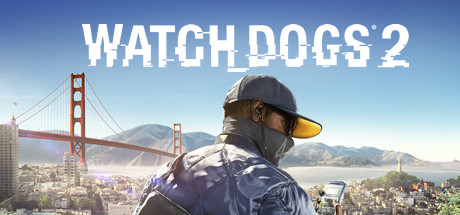
Watch Dogs 2 is at its most entertaining when Marcus Holloway is causing trouble from a comfortable distance. Cameras let you investigate a building before stepping inside, while a drone or remote controlled car can get somewhere a person would have a much harder time reaching. Once you start spotting what can be hacked, a guarded entrance becomes the beginning of an idea rather than an instruction to reach for a gun.
That freedom gives the San Francisco Bay Area a playful quality, with connected devices scattered through the city waiting to be used in a plan. The story matches it with a lighter tone than many crime games, although the missions still involve plenty of familiar travelling and infiltrating. The difference is how much room Marcus has to improvise once he arrives, making this an especially entertaining city to explore when you enjoy finding a slightly ridiculous solution to a practical problem.
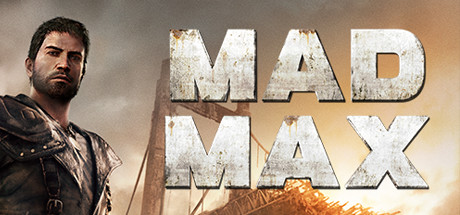
Mad Max understands the appeal of taking a car you have been working on and driving it into something considerably less well prepared. The Magnum Opus sits at the centre of the adventure, with scavenging trips and fights supplying the improvements that help it survive another stretch of hostile road. Taking it back out into the desert lets you enjoy the results, particularly when a convoy supplies a moving target for your latest upgrades.
The wasteland is bleak enough that a stronger vehicle starts to resemble a little pocket of confidence you can take with you. On foot, fighting and clearing camps support the same project, though the repetition becomes obvious if the driving itself has not won you over. It is a fairly straightforward adventure built around a very good central attraction: a dangerous landscape, a car you keep improving and plenty of opportunities to find out whether the work has paid off.
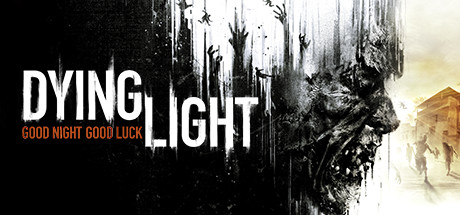
Getting across Harran is half the fun of the original Dying Light, provided you can resist looking down at what is waiting in the street. Parkour turns rooftops into routes, allowing you to climb, jump and put some welcome distance between yourself and the infected. As the city becomes familiar, a supply run that once required a nervous walk becomes a journey you can make with considerably more confidence.
Then night arrives and the same streets become a much worse place to be caught wandering. Preparing weapons and learning escape routes during the day suddenly seems like an excellent use of your time, because the more dangerous infected will test both. That change gives exploration real urgency, while the option to tackle the campaign with friends adds somebody to blame when a promising evening ends with everyone running for safety.
Which open world should you explore first?
Think about what you want to be doing when you wander away from the main quest. Skyrim lets another discovery carry the evening, while Fallout 4 sends you home with supplies for a project you are keen to finish. If you mostly want to enjoy the journey, Red Dead Redemption 2 rewards slowing down and Death Stranding gives you a landscape worth learning how to cross. Ghost of Tsushima is the more immediate choice when a scenic ride ought to end with a very good sword fight.
There is no obligation to clear the whole map before you have enjoyed yourself, so follow the parts that made you want to be there in the first place. If it is the characters and quests pulling you along, our best RPG games on Steam offer more adventures to settle into, while the survival games selection has worlds where building a home with friends can become the reason to keep coming back.