
Sometimes a game needs only one good idea to take over your evening. You find a combination of cards that should not work, discover that a page in an old manual explains the door you have been walking past or return from another failed escape because you want to hear what somebody says next. Before long, the thing that sounded unusual has become the reason you keep playing.
The best indie games on Steam offer plenty of those discoveries, but they ask for very different kinds of attention. These ten PC games cover careful thinking, demanding action, strange mysteries and stories that make familiar ideas feel new, with enough detail to help you find the one that sounds like your kind of evening.

Failing to escape the Underworld in Hades means going home to a family who usually have something to say about it, which makes dying feel surprisingly productive. As Zagreus, you fight through chambers with weapons and gifts from the gods, then return to relationships that keep developing even when the attempt itself has gone badly. There is nearly always somebody worth talking to before you head out again.
The battles are quick and demanding, but choosing different powers keeps a familiar route interesting while permanent upgrades give you something to work towards between attempts. Its story also continues beyond the first successful escape, so reaching that goal does not suddenly empty the house of conversation. Start here when you want a game that makes another run tempting through both the combat and the people waiting at the end of it.

Hollow Knight makes an abandoned kingdom feel full of reasons to keep exploring, even when its inhabitants would prefer you stayed away. Beneath Dirtmouth, a passage you almost ignored can lead to a new region, an odd little conversation or a route back to somewhere familiar, gradually turning Hallownest from a confusing collection of tunnels into a place you understand.
Learning to navigate it is part of the appeal, and the demanding bosses make discovering another ability or useful charm feel consequential. There are stretches where being lost can become frustrating, particularly if you want the next objective clearly marked, but the atmosphere gives wandering a purpose beyond checking off rooms. Choose it when you enjoy finding your own way and improving enough to reach the places that looked impossible earlier.

Balatro begins with familiar poker hands, then hands you enough strange ways to change their value that an ordinary pair can become the centre of an alarming scoring machine. Jokers, upgraded cards and the choices you make in the shop gradually reshape a run, until deciding what to discard means thinking about the much bigger number you hope the next hand will produce.
There is no table of opponents to bluff and no need to arrive as an experienced poker player, because the challenge is building a combination that can meet increasingly demanding targets. The cards still have room to ruin your plans, which makes adapting important even when a build seems excellent. It is a good fit for an evening when you want to think without rushing, provided you are prepared for one promising run to suggest several more.
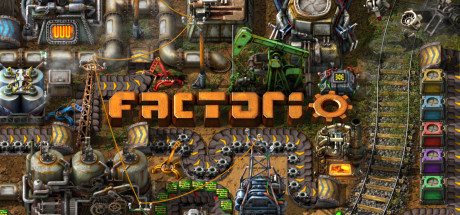
Factorio makes watching something work a surprisingly compelling reason to keep playing, beginning with a few machines and eventually giving you an enormous factory whose problems are largely of your own making. A production line needs more material, the solution needs more power and sorting that out suggests a cleaner way to organise the part you built yesterday. Each improvement leaves another small job looking temptingly achievable.
There is a lot to learn as the machinery becomes more complicated, and the creatures outside your factory have their own objections to its expansion, so keeping production moving can mean thinking about defence as well as efficiency. You can build with friends too, dividing up the jobs or discovering that everybody has a different idea of a sensible layout. Try it when the thought of solving one more practical problem sounds like a good evening.
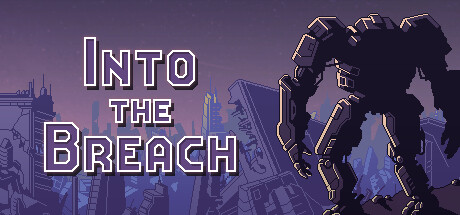
Into the Breach tells you what the enemy intends to do, then leaves you to work out how three mechs can stop it. On a small grid, pushing a creature one square can save a building, redirect an attack or create another problem somewhere else, so a turn that looks hopeless can become solvable when you stop thinking only about dealing damage.
Protecting the cities matters as much as keeping your own machines alive, which gives even a compact battle plenty to consider. Different squads change the tools available, making another attempt feel like a fresh set of problems rather than a demand to move faster. It is an especially good choice when you want the satisfaction of a strategy game without spending the first evening learning to manage an enormous empire.

A colony in RimWorld can have sensible plans for food, shelter and the winter ahead, then discover that its most urgent problem is a relationship falling apart at exactly the wrong moment. Your settlers arrive with different skills and personalities, while the game's storyteller supplies events that turn managing their needs into an account of how this particular group survived, or spectacularly failed to.
Getting to know those people makes a successful harvest or a badly timed illness feel more personal than a change in the numbers, especially once you recognise who will help and who is likely to make things worse. The systems take time to learn, and the stories can become grim, so it rewards an appetite for both planning and uncertainty. Play it when you would enjoy a game supplying the ingredients for a story rather than telling you exactly how it ends.

A Cuphead boss rarely stays the creature you thought you were fighting for very long, with another transformation or visual joke arriving just as you have started to understand the last attack. The animation and music make those encounters a pleasure to look at, but getting through them asks you to pay close attention to patterns that become manageable only after a few attempts.
That contrast is central to its appeal: a cheerful cartoon can contain a surprisingly demanding fight, and learning it is what makes the eventual victory satisfying. You can bring a second player along locally, though sharing the screen does not remove the need for practice. Choose it when repeating a brilliant encounter until you understand it sounds more appealing than exploring a large world at your own pace.
Undertale takes the familiar business of meeting monsters in an RPG and makes it worth asking whether you need to fight them at all. Conversation and the actions you choose can change an encounter, while avoiding incoming attacks keeps you involved even when you are trying to resolve things peacefully. What begins as an unusual battle system becomes part of how you get to know the people underground.
The humour makes those introductions easy to enjoy, then gives the more serious moments people and places to draw on. Knowing as little as possible helps, because discovering how the game responds is part of what makes a first journey distinctive. Try it when you want a story with personality and a willingness to question your habits, then let your own curiosity decide how to approach the things you meet.
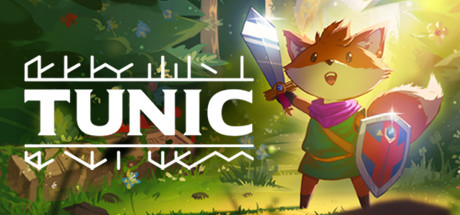
TUNIC sends a small fox into a world that seems familiar enough to explore, then gradually reveals how much you have misunderstood about it. Finding pages of an instruction manual becomes as important as finding equipment, because a diagram or a detail you finally recognise can explain something you have walked past several times without knowing what you were looking at.
That mixture of exploration and discovery rewards keeping the manual open and returning to earlier places with a new idea. The combat can be demanding too, so its gentle appearance should not be mistaken for an entirely relaxed adventure, but uncovering a secret can make the world feel newly accessible. Resist looking up its cleverest answers if you can, because recognising one for yourself is the moment the whole approach earns its place.
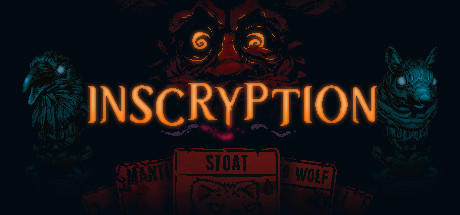
Inscryption makes sitting down to play cards feel like an invitation you ought to have questioned, with woodland creatures on the table and something deeply uncomfortable about the room around you. Learning how to win matters, but so does noticing what lies beyond the match, as the cabin's objects begin suggesting that the rules you have been taught are only part of the situation.
It is worth keeping the surprises intact, because the way this game develops is a large part of why it stays interesting. The deckbuilding provides a reason to concentrate while the mystery keeps giving you a reason to look up, making it a different kind of evening from Balatro's pursuit of a bigger score. Choose it when a little unease sounds welcome and you would like finding out what is happening to be part of the game itself.
Which indie game sounds like your evening?
Balatro and Into the Breach leave you time to think about the next decision, while Hades and Cuphead make practising the action part of the pleasure. Factorio and RimWorld offer bigger projects to get absorbed in, and Hollow Knight or TUNIC reward curiosity about the world around you. For something more mysterious, Undertale and Inscryption make finding out what a game is doing as interesting as learning how to play it.
There is plenty of challenge in this selection, so wanting a quieter evening is a good reason to look elsewhere rather than force the mood. Our best cozy games on Steam offer gentler places to settle into, while the puzzle games selection has more possibilities when working something out is the part you most enjoy.