
You are looking at the end of a run and already thinking about what you would do differently. The wrong card, a greedy detour or an attack you really should have dodged has brought the evening's best attempt to a stop, but understanding the mistake makes another go sound surprisingly reasonable. By the time you remember this was meant to be the last one, you have an idea you want to try.
The best roguelike games on Steam make starting again part of the attraction, whether you are assembling a better deck in Slay the Spire or returning to the people waiting for you in Hades II. Our ten picks include roguelikes and roguelites, covering careful decisions, fast combat and worlds that reward getting to know them, with different answers to how much progress survives when a run goes wrong.
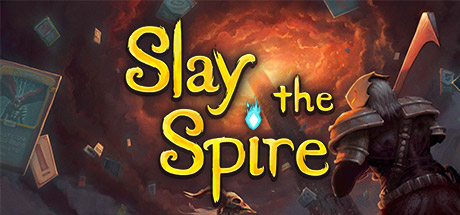
Slay the Spire makes refusing a reward feel like a sign that you are getting somewhere. Another card might look useful on its own, but adding it to the deck could make the combination you actually need harder to draw. Learning when to take something and when to leave it behind turns each climb into an exercise in building a plan that can survive the next fight.
Cards and relics can produce wonderfully effective combinations, though the changing route keeps asking whether you are ready to risk a tougher encounter for a better reward. The original's four characters bring different tools to that problem, giving you plenty to discover once one approach begins to make sense. Battles also leave time to think, so the satisfaction comes from recognising what your deck can do and watching an unlikely collection of choices finally work together.

Hades II is very good at making a failed run feel like you have arrived just in time for the next conversation. Melinoë's fight against the Titan of Time sends her out with weapons, witchcraft and gifts from Olympus, then brings her back to people who have something to say about how the journey is going. Those relationships keep developing around your attempts, so the story has somewhere to go even when the latest battle did not.
Out on a run, combining powers gives the fighting a different character, with an upgrade suggesting a new approach just when you were getting comfortable with the last one. Permanent improvements give the returns home practical value too, while God Mode can ease the difficulty if you are more interested in seeing the adventure unfold. Between the changing combat and the people waiting afterwards, another attempt has more to offer than a chance to beat the enemy that stopped you.
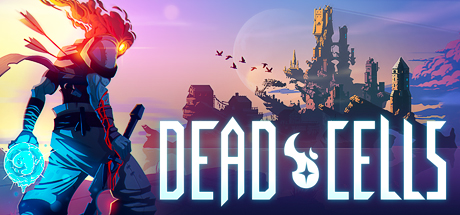
Dead Cells wins you over through the simple business of moving and fighting. Dodging an attack, answering with a weapon you have just found and carrying that momentum into the next room can be satisfying before you have any idea how far the run will go. The changing castle keeps supplying new combinations to experiment with, allowing a promising piece of equipment to reshape the way you approach the enemies ahead.
Death sends you back to begin again, but unlocked weapons, abilities and routes broaden what future attempts can offer. Your own improvement matters just as much, as a stretch that once stopped you becomes something you can get through without losing the rhythm. The challenge is demanding, yet the responsive action makes practising enjoyable, which is exactly what you want from a game that expects you to spend this much time learning through failure.
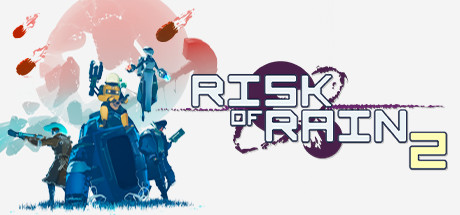
A good Risk of Rain 2 run can leave you wondering how the character who struggled through the first stage has become capable of so much destruction. Items stack and interact as you collect them, allowing modest improvements to develop into combinations that seem wildly out of proportion to where you started. Finding another useful piece is irresistible, even while the growing threat reminds you that staying to search the whole stage has a cost.
Different survivors change the way you fight, so another run offers more than a second chance at the same pile of loot. Bringing up to three friends adds more possibilities and considerably more chaos, particularly once everyone has assembled a build that contributes to the spectacle. It can become difficult to read amid all the effects, but watching a group grow from vulnerable explorers into an absurdly destructive team is a large part of the appeal.

Returnal puts an unsettling mystery around combat that rarely allows you to stand still long enough to dwell on it. Selene wakes on a hostile planet after each death, finding a changed route through surroundings that become stranger as she investigates. When the shooting starts, waves of attacks demand movement and attention, making survival absorb you completely until a quieter stretch leaves room to wonder what is happening to her.
That alternation between intense action and uneasy exploration is what makes the cycle compelling, although getting further requires patience with a demanding shooter. Suspend Cycle lets you put a solo attempt aside and continue later, so real life does not have to end a promising run. It is a pause in the journey rather than a reusable save to reload after failure, preserving the stakes while giving you a more practical way to make time for them.

Rogue Legacy 2 puts the family inheritance to wonderfully impractical use by sending another descendant into the kingdom that killed the last one. Each heir arrives with a class and traits that change how the expedition plays, while the gold you brought back can improve the manor and give the next generation a better chance. An unsuccessful trip can therefore leave the family in a stronger position, even if its latest representative will not be around to appreciate it.
That steady improvement takes some of the sting out of starting again, with another upgrade often close enough to make one more expedition tempting. You still need to learn the fighting and platforming, but House Rules let you adjust enemy health and damage when the default difficulty is getting in the way. It is an especially welcoming option when you enjoy the changing runs of a roguelite and want clear progress to survive the moment everything goes wrong.
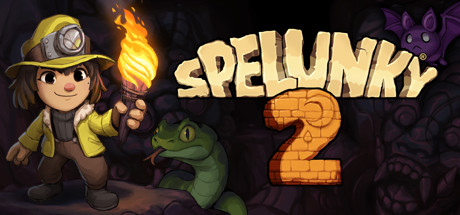
Spelunky 2 is capable of turning a very small mistake into an impressively complicated disaster. Its creatures, traps and objects interact, so reaching for a tempting treasure can disturb something that sets the rest of the room in motion. Surviving means understanding those possibilities as well as making the jump, with a cave that once looked straightforward revealing several excellent reasons to slow down.
The changing levels keep testing what you have learned, and much of your progress is the knowledge you carry into the next attempt. Shortcuts provide places to practise later areas, but the game remains severe about carelessness, with promising runs ending in seconds when you overlook a familiar danger. That can be frustrating, though it makes a clean passage enormously satisfying: you have read the room, made the right decisions and earned the chance to find out what is waiting below.
Noita gives you enough freedom with magic to become your own most dangerous enemy. You combine spells inside wands, then test the results in a world where individual pixels can burn, melt or react to whatever you have unleashed. An experiment can solve the problem in front of you while creating a much larger one, which makes discovering a powerful combination exciting for several reasons at once.
The caverns invite more of that experimentation as you descend, with materials and liquids offering possibilities you would never find in a less reactive world. They also make failure brutally final, so a useful lesson may arrive alongside the loss of a very promising run. This is a demanding recommendation, but the freedom is extraordinary when you enjoy figuring out how a system behaves, especially once you realise that the surroundings can become part of the spell.
FTL makes a small spaceship an excellent place for a very large number of problems. An enemy attack can leave you deciding whether to protect the shields, power another weapon or give the engines enough energy to escape, while the crew needs orders about what to repair first. Pausing the battle lets you consider those choices, turning an alarming few seconds into a strategy problem you can work through at your own pace.
The journey between fights keeps that pressure going, with fuel, repairs and equipment competing for the resources you find along the way. Another detour might supply the upgrade that saves the ship or leave it in worse condition than before, so deciding where to travel is part of being the captain. Expect some painful losses while learning, but keeping a fragile vessel and its crew together produces a wonderfully personal kind of adventure when the next jump finally goes your way.

A wall in Caves of Qud is only an obstacle until your character finds a sufficiently strange way to deal with it. You might dig through, dissolve it or approach the problem through mutations and equipment that would seem absurd in a more conventional RPG. The same freedom runs through its creatures and factions, giving an unfamiliar world enough depth that learning how to live there becomes an adventure of its own.
Classic mode pairs that exploration with the risk of losing your character permanently, so understanding the world matters as much as getting attached to your latest creation. Roleplay mode offers settlement checkpoints, while Wander mode makes more creatures friendly and places greater emphasis on discovery. Those alternatives are useful if the setting appeals more than the punishment, allowing this strange, richly imagined place time to draw you in while you learn its possibilities.
Which game should you start another run in?
Hades II is a welcoming place to begin if you want action with a story continuing around it, while Rogue Legacy 2 makes each expedition contribute to lasting upgrades. For a slower evening, Slay the Spire and FTL let you spend time considering the next decision, with the latter's pause turning a frantic battle into something you can think through. Dead Cells is the more immediate choice when movement and combat are what keep you coming back.
What is the difference between roguelikes and roguelites?
Recommendations often use roguelike as a broad label, although traditional examples such as Caves of Qud combine turn based exploration with the risk of losing your character. Roguelite is commonly used for games that borrow the changing runs and repeated attempts while taking the action elsewhere, often with lasting upgrades. It is a useful starting point rather than a reliable promise about every game, so pay attention to what you keep after death and the kind of play that gets you there.
Noita and Spelunky 2 ask more patience of you, but learning their worlds is the reward that makes another attempt worthwhile. If that curiosity is what appeals, our best indie games on Steam offer more unusual places to explore. Risk of Rain 2 is worth considering when you would rather share the chaos, with the co op recommendations providing other options for an evening with friends. The best choice is the one whose next run you already want to see, even before you know whether you will survive it.