
A conversation in Disco Elysium can leave you thinking about everything except the question you went there to ask. Somebody has said something you cannot quite dismiss, your own mind has supplied several conflicting explanations and the case has become tangled up in what sort of person you are willing to be. Finishing it can make the next perfectly ordinary dialogue menu feel a little quiet.
The most interesting games like Disco Elysium follow different parts of that experience, from arguing abilities and uncertain dice to communities whose lives give a mystery its weight. These ten PC games are on Steam, with choices for another wandering investigation, a life shaped through reading and decisions that stay difficult even after you understand them.
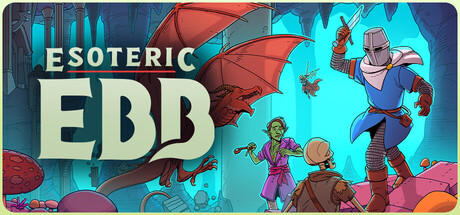
A tea shop has exploded, an election is approaching and the cleric sent to investigate has enough competing opinions inside his head to make either problem worse. Esoteric Ebb takes a recognisable pleasure from Disco Elysium and lets it loose in a fantasy city, where your abilities have views on the conversation and a goblin companion has to put up with the results. Even an apparently modest enquiry can become an opportunity to discover what sort of cleric you are turning out to be.
The city of Norvik gives those experiments politics, strange inhabitants and places where a spell can complicate matters as readily as a bad roll. Failure can open an entertaining route through a situation, so it is worth letting an imperfect attempt become part of the investigation. With the election approaching, even a ridiculous encounter can lead back to what somebody wants from the city, leaving your increasingly opinionated cleric another argument to get involved in.
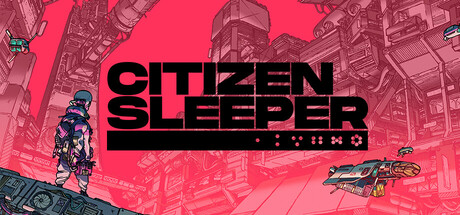
A good roll in Citizen Sleeper can mean the difference between making progress on somebody's problem and simply getting through another day. You assign a small supply of dice to work and other tasks around a space station, turning an abstract number into time spent earning food, finding help or keeping a promise. Those decisions gradually give Erlin's Eye a personal geography, with places that matter because of the people you have started meeting there.
Your artificial body belongs to a corporation that would like it back, which makes building an independent life an uncertain business. Friendships grow alongside the work of staying alive, and choosing whom to help also shapes the future you can imagine on the station. It has a quieter rhythm than Disco Elysium, but the people living under the system give its politics the same useful weight of being somebody's actual day.
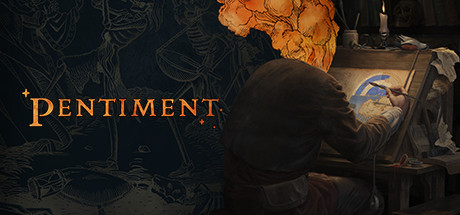
Asking a question in Pentiment means asking somebody who still has to live in the town after you have finished investigating. Andreas Maler's enquiries move through work, family and faith in sixteenth century Bavaria, where a useful piece of information rarely arrives free of the speaker's own interests. Choosing an academic or social background changes what Andreas can bring to those conversations, making the person doing the asking part of how the mystery unfolds.
Tassing has time to remember what happens, because the story follows its community across twenty five years. A decision made while trying to understand one murder can become part of a much longer relationship with the place. Disco Elysium players who cared about the lives around the central case will find a strong reason to stay, even though the illustrated historical setting gives those conversations a very different atmosphere.
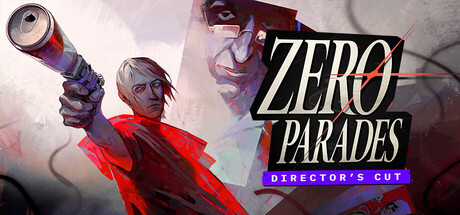
Hershel Wilk has been recalled for another assignment, which is awkward when the last catastrophe is still occupying so much of her attention. ZERO PARADES puts that damaged perspective into an espionage story, asking you to judge potential informants, uncover motives and decide what to reveal in a city full of competing agendas. A conversation is work, but it is also an opportunity for Hershel's own history to complicate the professional approach you had in mind.
Fatigue, anxiety and delirium make pushing a skill check a decision with a personal cost, while Conditioning turns aspects of her identity into further ways through the assignment. That training gives Hershel useful methods without removing the strain of applying them, so getting the answer you wanted can leave another problem to manage. When an approach fails, improvising through the consequences keeps the spy story moving with a character who was never going to emerge entirely unscathed.
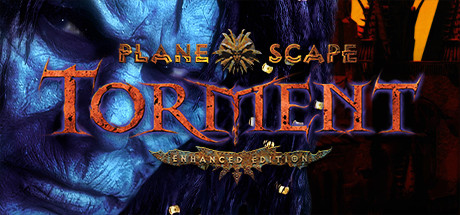
Waking up without your memories is a considerably larger problem when you appear to have accumulated several lives' worth of consequences. Planescape: Torment sends the Nameless One through Sigil looking for answers, with a talking skull for company and a city whose doors can open into other planes of existence. Meeting somebody who knows you can be less reassuring than meeting a stranger, because you have no idea which version of yourself they remember.
That question carries the conversations beyond finding the next destination, with unusual companions giving you more ways to think about identity, belief and what a person owes their past. It is an older party RPG with combat to learn, so expect a different pace from Disco Elysium's largely conversational investigation. The reward is following a personal mystery through a world where an argument can matter as much as the landscape around it.
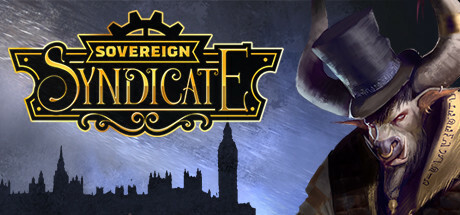
The docklands of Sovereign Syndicate look different depending on whose difficulties have brought you there. Its three protagonists have their own skills, habits and reasons to become involved in a Victorian fantasy city, with their stories gradually finding connections among the people living around them. A conversation can turn on how somebody sees you as much as what you meant to say, giving the enquiries an immediately personal complication.
Tarot cards take the place of dice, while the abilities you use shape what your character becomes better at doing. That keeps the attempt to understand a disappearance connected to the person making the attempt, rather than treating dialogue as a list of questions anyone could ask. The smaller, overlapping perspectives offer a different journey from Harry's, but the pleasure of letting character and chance interfere with a plan is familiar.
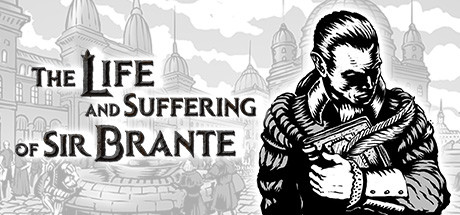
Sir Brante begins with a life the world believes it has already arranged for him. Birth determines his place in a rigid social order, but the decisions recorded in his journal gradually shape what he learns, whom he cares about and whether he accepts the part assigned to him. An early choice can therefore matter long after the conversation that produced it, when the person you have become is finally in a position to act on it.
That long view gives political convictions a family and a history, with ambitions that can put the people around Brante under pressure. Following his life through illustrated pages keeps those relationships close to the decisions, even as their consequences begin reaching beyond the family. An ambition you encouraged earlier can eventually demand something much harder to accept, and by then you have helped make the person who has to answer.
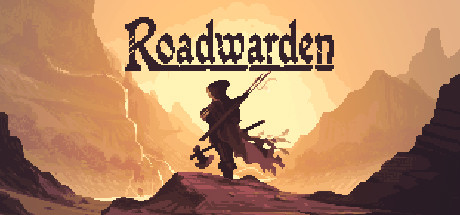
Knowing the road in Roadwarden means knowing more than where it leads. A village's worries, an unreliable account of trouble nearby and the condition of your equipment all affect whether the next journey sounds sensible. Exploring its fantasy peninsula gradually turns unfamiliar names into a network of people and obligations, with dialogue choices and your character's background shaping how much of it you can understand.
Time and basic survival needs give those enquiries practical limits, so helping somebody can mean delaying another job or risking a journey you had hoped to prepare for properly. The illustrated text gives those decisions room to develop through conversations and the details of the road. Returning to a village with better knowledge can change what you are able to offer, until a route that once looked like another dangerous errand has people waiting at its end.

The search for a missing brother in NORCO takes you through refineries, drainage ditches and the remains of ordinary places whose future has become uncertain. Its distorted South Louisiana is strange, but the people and landscapes give that strangeness a convincing everyday life. Following the family mystery means getting to know a place where technology and industry have become part of what people remember, fear and depend on.
The investigation expands into something larger without losing that local texture, helped by pixel art and sound that make the surroundings worth lingering over. It is a point and click adventure rather than a character building RPG, with puzzles and conversations carrying the search forward. The wider mystery stays rooted in a family, which gives the stranger discoveries something human to return to even when the journey has become deeply peculiar.

A policy that sounded entirely reasonable can become much harder to defend once Suzerain seats several people with incompatible interests around the same table. As President Anton Rayne, you are trying to guide Sordland through economic trouble, corruption and demands for change, with advisers who each have their own idea of what the country needs. Choosing whom to believe begins shaping the administration as surely as the decisions you announce.
Those arguments reach beyond the office into Rayne's family and relationships, giving the public role a private life to put under strain. The pace belongs to reading, meetings and considering consequences, rather than exploring a crime scene. If Disco Elysium made you enjoy testing a political identity through the people who challenge it, Suzerain gives that interest an entire government and several excellent reasons to reconsider the plan.
Which game should you start after Disco Elysium?
Esoteric Ebb is the first place to look for a character's own abilities arguing their way into an investigation. Citizen Sleeper and Pentiment offer people worth knowing in places that remember your decisions, while Planescape: Torment follows a personal mystery into a much older kind of RPG. For an evening spent weighing convictions against what they might cost, Sir Brante and Suzerain put that question at the centre of the life you are shaping.
If the unanswered case is what you want next, our detective game recommendations include more ways to make deductions of your own. For a broader search through characters and conversations, the story game selection offers adventures that tell their stories through very different kinds of play.