
You know the noise came from somewhere ahead, which is unfortunate because that is also where you need to go. A minute ago you were happily searching for supplies; now you are considering whether the room you just left might be an excellent place to spend the rest of the evening.
The best horror games on Steam find very different ways to put you in that position, from the creature stalking you through Alien: Isolation to the friends insisting that one more trip in Lethal Company will be fine. These 10 PC games cover hiding, fighting and mysteries that get under your skin, so there is somewhere to begin whether you want a nightmare to face alone or a group to share the panic with.
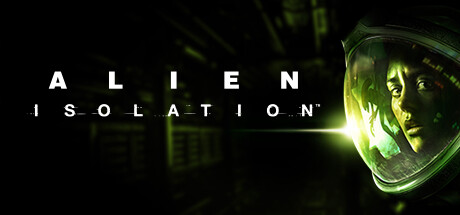
Sevastopol would be an unsettling place to explore even without the alien, with its failing systems and frightened inhabitants making every journey through the station feel precarious. As Amanda Ripley searches for answers about her mother, the creature turns those journeys into something much worse, forcing you to think about the noise you make and the places you might escape to before you dare move on.
You can scavenge supplies and improvise distractions, but having a plan is a long way from feeling safe when the thing hunting you can respond to what you do. That makes Isolation a strong choice if the anticipation is what you enjoy about horror, particularly the awful stretch between knowing something is nearby and finding out where it is. Expect patience and repeated attempts to be part of surviving it.

Resident Evil 7 brings you close enough to the Baker family's home that looking around a corner can feel like a commitment you would rather postpone. Ethan Winters arrives looking for his missing wife, and the house gradually becomes somewhere you have to understand, with locked doors, unsettling rooms and people who make even a familiar route feel dangerous again.
The first person view gives those encounters an uncomfortable intimacy, while the series' mixture of exploration, puzzles and survival keeps you doing more than waiting for the next scare. Getting the means to defend yourself helps without making the place welcoming, which is a good balance if you want some agency alongside the dread. Begin here when a grim horror story and a house worth picking apart sound more appealing than an evening spent only hiding.
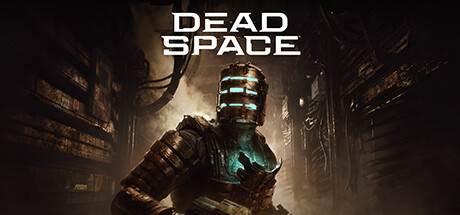
Isaac Clarke boards the USG Ishimura expecting to repair a mining ship, which leaves him spectacularly poorly prepared for what has happened to its crew. The 2023 remake makes exploring that ship a nasty business, using the sound of machinery and the spaces around you to build unease before a Necromorph turns an ordinary repair job into a desperate fight.
His engineering tools give you a way to respond, with precision and choosing how to use your equipment becoming part of the panic. Having something powerful in your hands is reassuring right up until you have to aim it under pressure, and that tension keeps the combat from dissolving the horror. If you enjoy fighting your way through a nightmare and gradually making sense of the disaster around you, this is the space horror to start with.
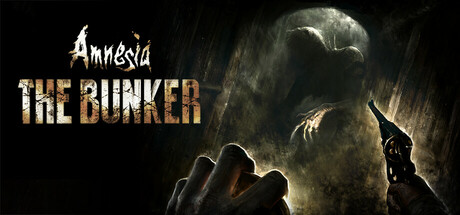
A revolver ought to be comforting in a haunted bunker, until you consider how little ammunition you have and how much noise firing it will make. Amnesia: The Bunker leaves a French soldier trapped beneath the fighting of the First World War, where keeping the lights on and finding useful supplies become urgent problems because something down there is listening to the decisions you make.
The bunker gives you room to experiment with ways through its obstacles, so getting stuck often means looking at the tools and surroundings you have rather than hunting for one prescribed answer. The trouble is finding the nerve to try an idea while supplies are running low, because getting out depends on judging what you can risk as well as knowing where to go. Every successful trip buys just enough confidence to attempt another, even when you suspect that confidence might be a mistake.

SIGNALIS begins with Elster waking aboard a wrecked vessel, then draws her into a search for her missing partner through a world that seems increasingly difficult to trust. Its stark rooms and distorted technology make the practical business of exploring feel inseparable from the mystery, especially when another strange image leaves you wondering how it connects to something you saw earlier.
Scarce supplies and puzzles give that search the rhythm of classic survival horror, asking you to pay attention to what you carry and what might be waiting ahead. The story is more interested in letting images and ideas haunt you than immediately explaining them, so it suits someone happy to sit with uncertainty. Come for the oppressive atmosphere and stay for a mystery that gives you reasons to keep turning it over after you stop playing.
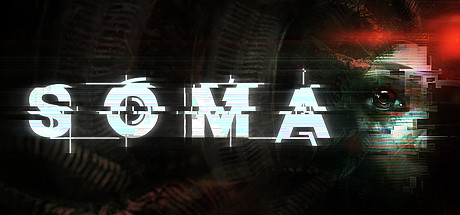
Deep beneath the ocean, the machines in SOMA's isolated facility have started behaving as though they are people, and investigating what happened soon becomes much more troubling than fixing broken equipment. The deeper you go, the more its questions about consciousness become part of the situation in front of you, making a conversation or discovery capable of unsettling you as much as the creatures moving through the corridors.
There is no combat to rescue you from an encounter in the normal mode, but Safe Mode changes the creatures' behaviour so they cannot kill you while leaving the story and environments intact. That is worth considering if repeated attempts to get past a monster would distract you from the mystery. The ideas and atmosphere remain disturbing either way, so choose SOMA for the kind of horror you might still be thinking about the next morning.
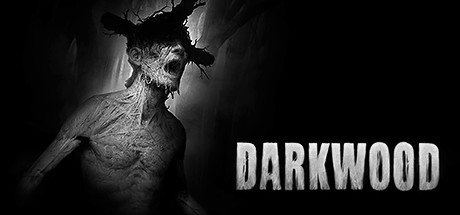
Going out for supplies in Darkwood means thinking about the night you will have to survive when you get back. You explore a hostile forest during the day, gathering resources and dealing with its strange inhabitants, then return to a hideout where the preparations you made become considerably more important once darkness closes around it.
Seeing the world from above does little to make it comfortable, because planning a defence and hearing what is beyond it leaves plenty of space for your imagination to do the work. Weapons and crafting offer ways to survive, but the woods are demanding and expect you to learn through exploration rather than follow reassuring markers. Before long, even a useful trip for supplies carries the uncomfortable thought of what you will have to do with them when you get home.
Phasmophobia gives your group a sensible sounding job: enter a haunted location, gather evidence and identify the ghost. The equipment makes you feel like investigators as you compare readings and look for clues, until the activity becomes difficult to ignore and the person who volunteered to check another room starts having second thoughts.
Sharing the investigation gives everyone something useful to do, including supporting the team from the truck when venturing further inside sounds like a terrible idea. It helps to begin with a group willing to learn the equipment together, because identifying a ghost is more satisfying when you understand why the evidence matters. Difficulty options let you adjust the challenge, though the haunted locations will still do their best to interrupt whatever calm discussion you were having.

The job in Lethal Company is collecting scrap from abandoned moons, which makes carrying something valuable back to the ship seem like a perfectly reasonable plan until the route home stops feeling safe. The Company's quota keeps giving your crew reasons to venture further, while the places you are scavenging supply plenty of reasons to leave before you have found quite enough.
Someone can stay aboard to guide the others using the radar and terminal, but deciding who goes inside is only the beginning of the negotiations. A successful trip needs communication, and a disastrous one can leave you with an excellent account of exactly how everything fell apart. Play with friends who can laugh at a failed expedition as well as enjoy pulling off a good one, because losing valuable scrap and a little dignity is part of the appeal.
Mouthwashing traps you with the crew of a wrecked space freighter, where dwindling supplies and no prospect of rescue make living with one another increasingly unbearable. Its cramped setting gives every conversation somewhere to linger, while the story's disturbing images make understanding the people aboard feel considerably harder than simply working out what is wrong with the ship.
This is a recommendation for readers who want a bleak narrative rather than the satisfaction of mastering a survival system, with the discomfort coming as much from human behaviour as anything you encounter in its corridors. The themes are heavy, so it belongs on an evening when you are prepared for an upsetting story. Knowing less about where it goes will serve you well, particularly if you enjoy a game that makes you reconsider what you have already seen.
Which horror game should you play first?
Start with the part of horror you actually enjoy, because being pursued through a station feels very different from exploring a mystery that keeps getting worse. Alien: Isolation and Amnesia: The Bunker make escaping the threat your immediate concern, while Dead Space gives you tools to fight through it. For a disturbing story, consider SIGNALIS or SOMA; if the evening is really an excuse to get your friends together, Phasmophobia and Lethal Company give you plenty to talk about afterwards.
Have a look through the games you own before buying another scare, especially if there is something you picked up and have been finding excuses to avoid. Our guide to choosing your next Steam game can help you settle on an evening that suits you, while our story game recommendations offer more places to go if the mystery matters more to you than the next fright.