
Finishing Baldur's Gate 3 can leave you with a peculiar problem: the adventure is over, but you are still thinking about the people in it. A companion's reaction can stay with you as clearly as the battle that caused it, and the next game has to compete with a party you spent weeks learning to understand. Finding another adventure becomes much easier once you know which part of that experience you want to keep.
The best games like Baldur's Gate 3 offer different ways to follow it, from another of Larian's wonderfully unruly worlds to a crew trying to agree on what to do with an entire region of space. These ten PC games are all on Steam, with choices for the camp conversations, tactical experiments and shared adventures that might have kept you coming back to the Sword Coast.
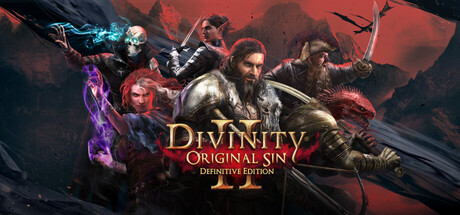
Larian's previous adventure is the obvious next stop for the part of Baldur's Gate 3 that kept asking what would happen if you tried something ridiculous. Divinity: Original Sin 2 fills Rivellon with people to question, things to investigate and situations your party can make considerably more complicated. Picking an origin character brings a personal history along for the journey, so the adventure already has a few competing interests before anyone starts arguing about the next job.
Those competing plans become particularly entertaining in combat, where water, fire and the ground beneath a character can change the usefulness of an ability. Its own rules take some learning after D&D, but experimenting with them soon becomes part of the attraction. Bringing friends adds more ideas to that experiment, along with the distinct possibility that somebody has already acted on one while the rest of you were still discussing it.
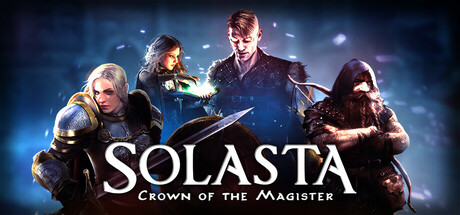
A flying enemy is a much more interesting problem when the room has several levels and your party is standing in all the wrong places. Solasta builds its adventure around that sort of practical consideration, letting height, light and the space between characters become parts of a fight you need to understand. A spell that gets someone onto a ledge can be as useful as the one you were saving to hurt whatever lives there.
You create the four heroes yourself, which makes assembling a party an exercise in imagining how their abilities will work together. Their conversations give the journey some personality, but the main attraction is taking that group into another carefully arranged tactical problem. It is a particularly natural move after BG3 when you kept looking forward to the next initiative roll and wondering whether you could have positioned everyone a little better.
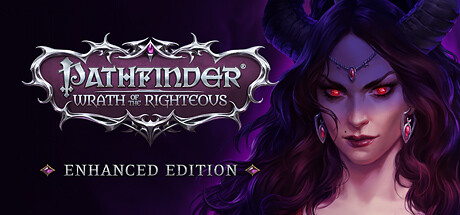
Wrath of the Righteous takes the pleasure of planning a character and gives it an alarming amount of room to grow. Classes and abilities are only the beginning, because the mythic path you follow can turn your crusade into a very different kind of story, whether you pursue an angelic ideal or become something far less reassuring. The person leading the party can change the meaning of the whole adventure.
Your companions have their own reasons to support that direction or become uncomfortable with it, keeping all those character decisions involved in the people beside you. The Pathfinder rules are dense, so expect to spend time learning what your abilities actually do together. Being able to switch between turn based combat and real time with pausing helps you give a difficult encounter that attention, then keep the journey moving once you have the situation under control.
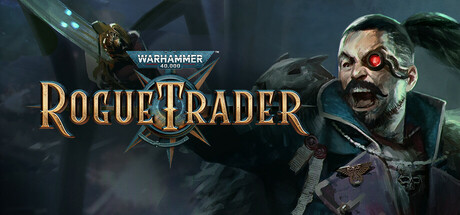
Owning an enormous spaceship ought to make an adventure straightforward, but Rogue Trader supplies a crew whose advice rarely leads to an uncomplicated decision. You have the authority to shape lives across a stretch of the Warhammer universe, and the people travelling with you bring very different ideas about how that authority should be used. An act of mercy can become a political statement before you have finished the conversation.
The more you learn about that crew, the harder it becomes to treat their advice as background conversation. Their abilities also shape the tactical battles, where cover and careful positioning let very different specialists work together, while their personal stories follow you back aboard the ship. Give the unfamiliar setting time to introduce itself and the next voyage becomes a chance to find out what this alarming collection of people will make of it.
Returning to camp in Dragon Age: Origins can become the thing you are looking forward to during the journey there. The people beside your Grey Warden have histories, convictions and a fair amount to say about the decisions being made on everybody's behalf, so building an alliance against the darkspawn is also a long exercise in understanding your own party. Getting to know someone can make their next disagreement more persuasive, or considerably more irritating.
That is an easy pleasure to recognise after Baldur's Gate 3, even as Origins uses an older style of presentation and combat that runs in real time until you pause to give orders. The wider political decisions keep those relationships involved in the adventure, asking what you are willing to accept to get the support you need. Its age is visible, but the warmth and friction of travelling with this particular group still make camp worth coming home to.

Deadfire turns finding the next place to land into a decision about whose business you want to become involved in. Sailing between its islands brings your party into contact with factions whose ambitions rarely fit neatly together, while the people aboard your ship have connections that can make a useful offer uncomfortable. A conversation in port can follow you back onto the deck long after the immediate job is finished.
That gives a familiar pleasure to anyone who enjoyed weighing a companion's opinion alongside the practical outcome in BG3. You can choose turn based combat or real time with pausing for the campaign, leaving room to build the adventure around the pace you prefer. The story continues from the first Pillars, so that earlier journey adds context, while the ship and its competing voices make this sequel an inviting place to spend a much longer voyage.
Being asked to save the world is a fairly familiar RPG problem; Tyranny gives you the rather less comfortable job of helping administer one the conqueror has already won. As a Fatebinder, you arrive with the power to interpret the law, which makes your judgement something the people around you have good reason to fear. Even a decision intended to help somebody sits inside a system that expects you to preserve its authority.
The story lets those rulings shape alliances and the places you travel through, so something you treated as a small compromise can become a position you have to defend. Companions bring their own loyalties into that argument, making the exercise of power a personal matter as well as a political one. You can mean well and still leave somebody living with the result, which keeps the next conversation interesting long before anybody reaches for a weapon.
The Desert Rangers arrive in Colorado needing help badly enough that a powerful man's offer starts looking like a solution, which is an excellent way to become involved in somebody else's family catastrophe. Wasteland 3 builds its journey around deciding whom to trust when almost every useful alliance comes attached to a problem. Its bleak humour keeps those encounters lively even when the decision underneath is thoroughly unpleasant.
Building the squad gives you another sort of problem to work through, with skills and equipment shaping both tactical battles and how you handle the world between them. The change from swords to guns puts more emphasis on cover and firing positions, while the pleasure of making several characters work together remains familiar. You can also share the campaign in co op, which is a useful way to find out whether you and a friend agree on what counts as an acceptable solution.
Wildermyth starts with ordinary people who are a long way from looking like the heroes of a legend, then lets the adventure gradually write itself into them. Characters form relationships, age and change through the encounters you choose to follow, until an unlikely farmer has become somebody whose past you remember because you were there when it happened. An injury or a strange discovery can stay with them long after the immediate crisis has passed.
That history carries into the tactical battles, where teamwork and the abilities your heroes develop shape what the party can attempt. Returning a favourite character to a later adventure turns their earlier exploits into the beginning of a legend, and the illustrated scenes are a lovely way to watch it grow. A hero's reputation means more when you remember the nervous farmer who had not earned it yet.

Meeting Minsc or Jaheira in their earlier adventures is a persuasive invitation to go backwards through Baldur's Gate, and the second game has far more waiting than familiar faces. Its quests let an ordinary conversation become an evening's detour, with a party full of competing personalities keeping the journey involved in the people taking it. Returning to the Forgotten Realms can quickly become a reason to explore a different corner of them.
The rules and presentation come from another era, including combat you pause to direct and an older version of D&D, so allow time to learn the rhythm. Enhanced Edition includes a Story Mode if you would rather ease that pressure while following the writing. You can begin with a newly created character, though starting with the first Baldur's Gate lets the personal story carry into this much larger second chapter.
What should you play after Baldur's Gate 3?
Divinity: Original Sin 2 is the most natural first stop for Larian's freedom to experiment, while Solasta gives the tabletop battles more room to lead the adventure. For another group to get attached to, make time for Dragon Age: Origins or Rogue Trader. Wildermyth takes that interest somewhere different by letting the people in your party grow into heroes whose histories you helped create.
The right follow up does not have to recreate your whole BG3 campaign to earn the next evening. Our story game recommendations offer more adventures built around people and writing, while choosing from your Steam library can help when you already own several possibilities and need to settle on one.