
The moment a difficult boss finally falls is only one of the reasons Elden Ring stays with you. There is also the path you followed because something on the horizon looked interesting, the weapon that changed your plans and the place you slowly learned well enough to stop feeling lost in it. The right next game depends on which of those discoveries you are hoping to have again.
These games like Elden Ring follow that appeal through ten PC adventures on Steam, from another FromSoftware world to a small fox piecing together a mysterious instruction manual. Some put the emphasis on mastering a fight, while others give exploration more room to lead, with useful difficulty and assist choices where the game provides them.
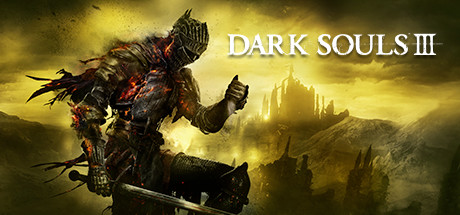
The first few fights in Dark Souls III give an Elden Ring player plenty of habits to recognise, from keeping enough stamina for an escape to wondering whether the opening in front of you is quite as generous as it looks. That familiarity lets you settle into learning a new set of enemies and weapons, with another corner of a ruined world always close enough to become the next concern. Understanding the route gradually makes the journey feel manageable.
Its more directed progression puts those encounters closer together than a long ride across the Lands Between, giving each difficult stretch a clear place in the adventure. The atmosphere also leaves plenty to investigate in the people and places you pass, so there is interest beyond the next boss. It is the most natural first stop when you want to carry the patience and attention you learned in Elden Ring into another FromSoftware world.

Krat is a lovely place to look at a little too long, particularly when the puppet at the end of the street has already begun moving towards you. Lies of P fills that ruined elegance with fights that reward understanding your weapon, letting you combine blades and handles into something you want to learn properly. Changing that arrangement can make a familiar encounter worth approaching again, especially when the new combination suits how you have been trying to fight.
The journey gives those experiments a stronger narrative direction than Elden Ring, following a dark interpretation of Pinocchio through a city whose people have become difficult to trust. It also offers difficulty choices, so you can adjust the pressure instead of assuming the first awkward boss has decided the rest of the adventure for you. Getting comfortable with a favourite weapon leaves more attention for what the next street might be hiding.

A well timed defence in Sekiro does more than keep you alive; it pushes the opponent closer to losing control of the fight. Deflecting attacks damages their posture, so an exchange that initially looks like something to escape becomes a sequence you can learn to answer. The pleasure lies in recognising that rhythm and staying involved long enough to turn the pressure back on the person attacking you.
That puts much of the progress into how you handle the sword, with prosthetic tools, stealth and a grappling hook supplying other ways to approach trouble. Expect some of your Elden Ring instincts to need retraining, especially the impulse to retreat from every difficult exchange. Once the deflections begin making sense, a familiar opponent can become an invitation to demonstrate something you have learned, which is an excellent reason to try again.
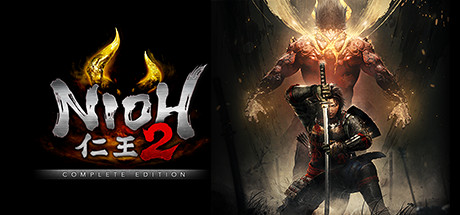
Nioh 2 gives the space between attacks almost as much to do as the attacks themselves. Changing stance alters how you use a weapon, while a well timed Ki Pulse helps recover the energy you have just spent, letting a confident sequence carry further. Learning those rhythms gradually turns a weapon from something with useful numbers into a set of possibilities you know how to bring into a fight.
The equipment and character systems add another layer to that learning, giving you reasons to keep refining a build as you move between missions. There is a lot to take in at the beginning, so let one weapon become familiar before worrying about every possibility in the inventory. For an Elden Ring player who enjoyed the point where an unfamiliar build finally started working, Nioh 2 offers a very substantial place to keep experimenting.

Giving everyone a gun has done very little to make the bosses in Remnant II more considerate. You still need to read an attack, find somewhere sensible to stand and judge how much damage you can deal before moving again, which brings a familiar tension into encounters that look very different from Elden Ring's. Weapons, equipment and archetypes then give you room to shape how your character answers those problems.
Exploring its strange worlds supplies the discoveries that keep those builds developing, with different encounters and rewards giving another visit a purpose. Unlocking and combining archetypes opens up more ways to use what you find, letting a new ability become part of the plan for an enemy you already know. You can also bring two friends, putting another set of weapons and skills behind the decision to tackle the next boss.

A dead end in Lords of the Fallen can become a question about which version of the world you are standing in. Its realms of the living and the dead overlap, hiding different routes and dangers in the same stretch of landscape, so looking more closely at an obstacle can lead somewhere you had not expected. Learning that relationship makes exploring feel involved in the setting's central idea.
Weapons, magic and character development provide familiar ways to prepare for the creatures waiting along those routes, while the interconnected world keeps the next discovery within reach of somewhere you already know. Campaign co op also lets you bring a friend into those discoveries, making the decision to test a questionable path something you can share.

A map in Hollow Knight is the beginning of understanding Hallownest, with the route ahead still full of things you need to discover on your own. Its ruined kingdom opens through tunnels, strange residents and abilities that make an earlier obstacle worth remembering, letting the place gradually become familiar without losing the possibility of another surprise. Finding a connection back to somewhere you know can be as satisfying as beating what guarded it.
That relationship with a mysterious world carries a strong part of Elden Ring's appeal into a different perspective. The bosses ask for careful movement and attention, while charms let you adjust how you approach the next attempt. There are challenging platforming stretches as well as fights, so settle in for the movement alongside the discovery; both become more enjoyable as the shape of the kingdom starts fitting together.

A large monster in Dragon's Dogma 2 is something you can physically grapple with, making the climb towards a vulnerable spot part of the fight itself. Your vocation and the companions you brought shape what happens around that struggle, as spells, weapons and the terrain turn an ordinary encounter into a much less orderly situation. Understanding the tools available can matter as much as committing to the next attack.
The wider journey has the same willingness to let trouble interrupt your route, which is the draw for an Elden Ring player who enjoyed setting out without knowing what the road would ask of them. Pawns accompany you through this single player adventure, supplying abilities and observations rather than human co op partners. Bring an appetite for exploration and improvised problems, then give the journey room to become more interesting than the errand that started it.

Finding a useful piece of rubbish is an unusually important part of surviving Another Crab's Treasure, because Kril needs something between his soft body and the creature trying to hit it. Wearing discarded objects as shells changes how you defend yourself and which shell ability you can use, turning the ocean's litter into equipment worth considering. A broken shell becomes a reason to look around for a different answer.
That cheerful appearance still leaves room for fights that demand practice, but the assist settings let you increase shell durability or reduce enemy health when you want more breathing room. There is even the option to give Kril a spectacularly overpowered gun. The underlying attraction remains learning an enemy and finding your way through a strange world, with enough control over the pressure to make it an inviting direction after Elden Ring.

A page of instructions can be the most exciting thing you find in TUNIC, especially when a small detail makes you reconsider somewhere you have already visited. Rebuilding the manual is part of exploring its ruined world, giving a little fox's adventure the pleasure of gradually understanding a game that is happy to let you wonder. The next clue can make the familiar path back feel full of possibilities again.
The combat has teeth of its own, with blocking, dodging and bosses to learn, though optional settings can prevent damage and remove stamina restrictions if you want to concentrate on discovery. That makes it particularly appealing when Elden Ring's mysteries drew you in more strongly than the prospect of another difficult fight. Go in with as few answers as possible and let the book give you reasons to pay closer attention.
What should you play after Elden Ring?
Dark Souls III is the easiest starting point for familiar combat in another FromSoftware setting. Sekiro and Nioh 2 give you more to learn about the fighting itself, while Hollow Knight and TUNIC make understanding the world a large part of the reward. If you want more control over the challenge, look at the difficulty choices in Lies of P or the assists in Another Crab's Treasure and TUNIC.
There are also ways to follow the curiosity somewhere less focused on combat. Our open world recommendations offer more places to wander, while choosing from your own Steam library can help you find an adventure that suits the time and mood you have tonight.